
Operational Risk Measurement
Measure oprisk with data, not guesswork
Equip your risk teams with structured scenario modelling tools powered by the XOI method and 20 years of global regulatory expertise.
The world's leading financial institutions trust Elseware
Elseware by the numbers
Our Products
Tools Built for Risk Professionals
MSTAR is the leading suite for designing, simulating and quantifying your operational risk scenarios.
MSTAR Desktop
Implement the XOI method to design and quantify your own risk scenarios — fraud, cyber, disruption, conduct. Built-in export to Python, R and Matlab.
Learn more →MSTAR Platform
40 operational risk scenarios updated regularly. Dynamic dashboard, real-world event feed and benchmark comparisons. Risk.net Award winner 2020.
Learn more →Consulting
From targeted workshops to multi-year engagements. Our practitioners guide you from scenario design through full regulatory validation and governance documentation.
View services →The XOI Method
A rigorous framework built for business
Helped clients in multiple jurisdictions — UK, US and EU — get approved by regulators. XOI measures operational risk in business terms, not in risk jargon.
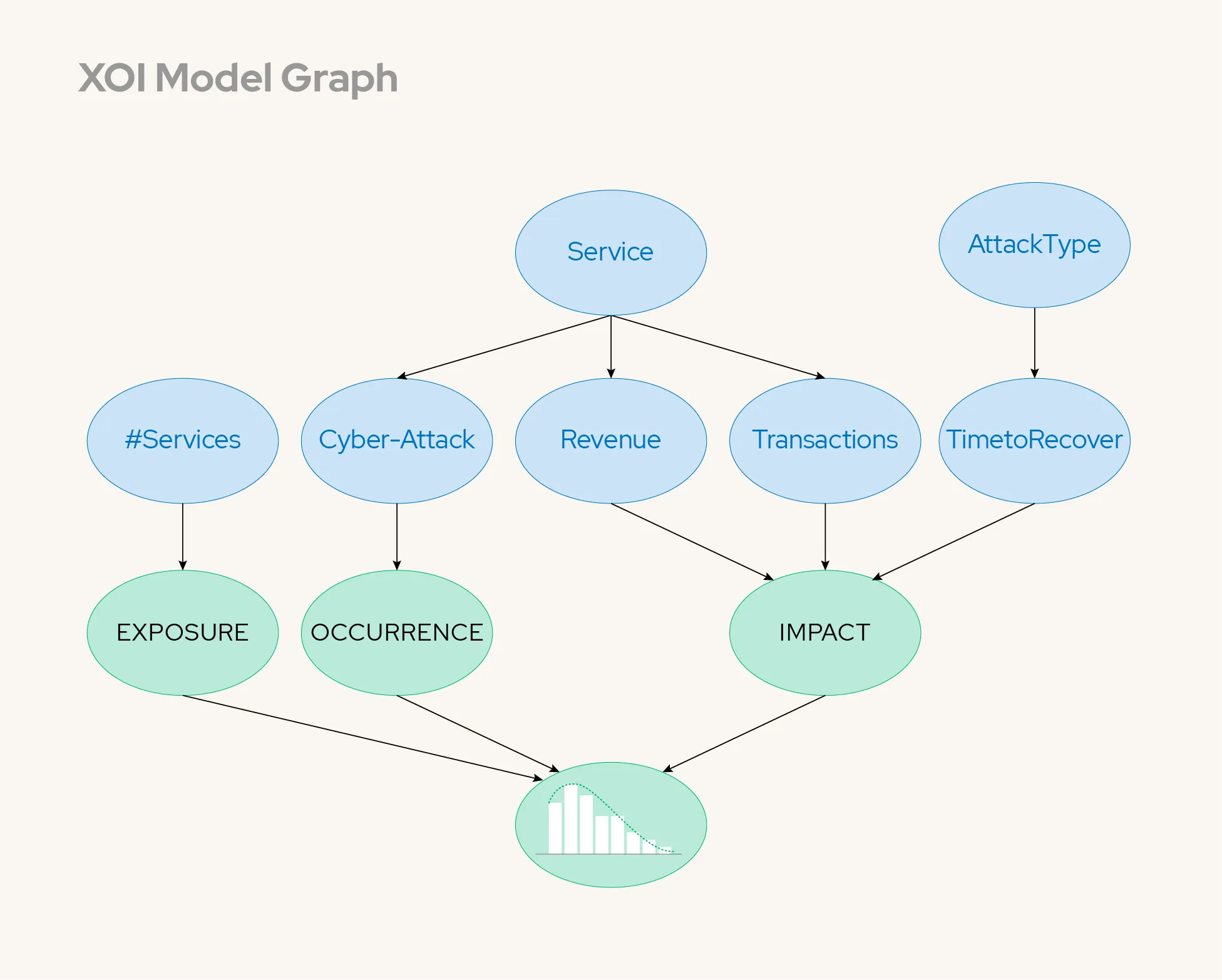
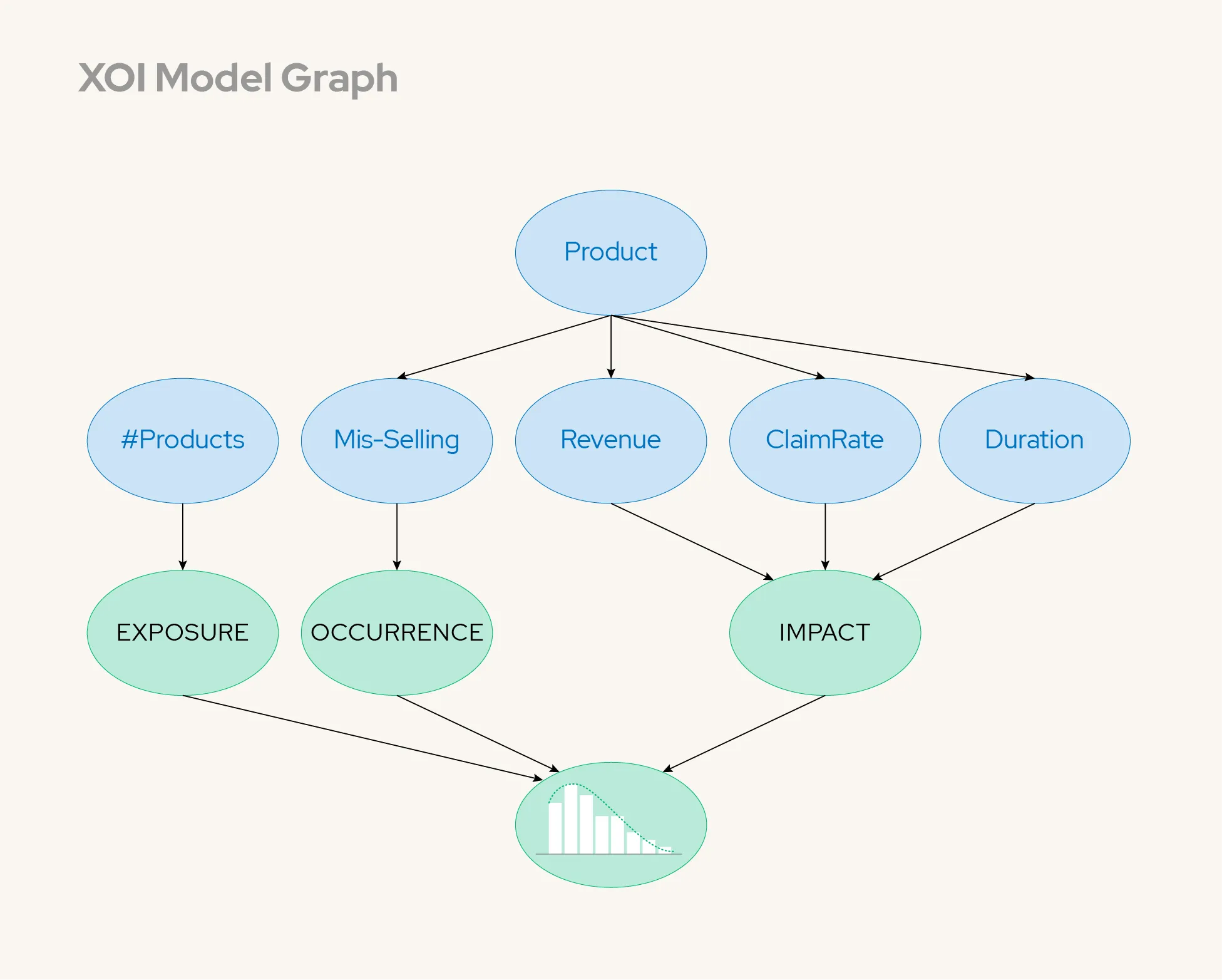
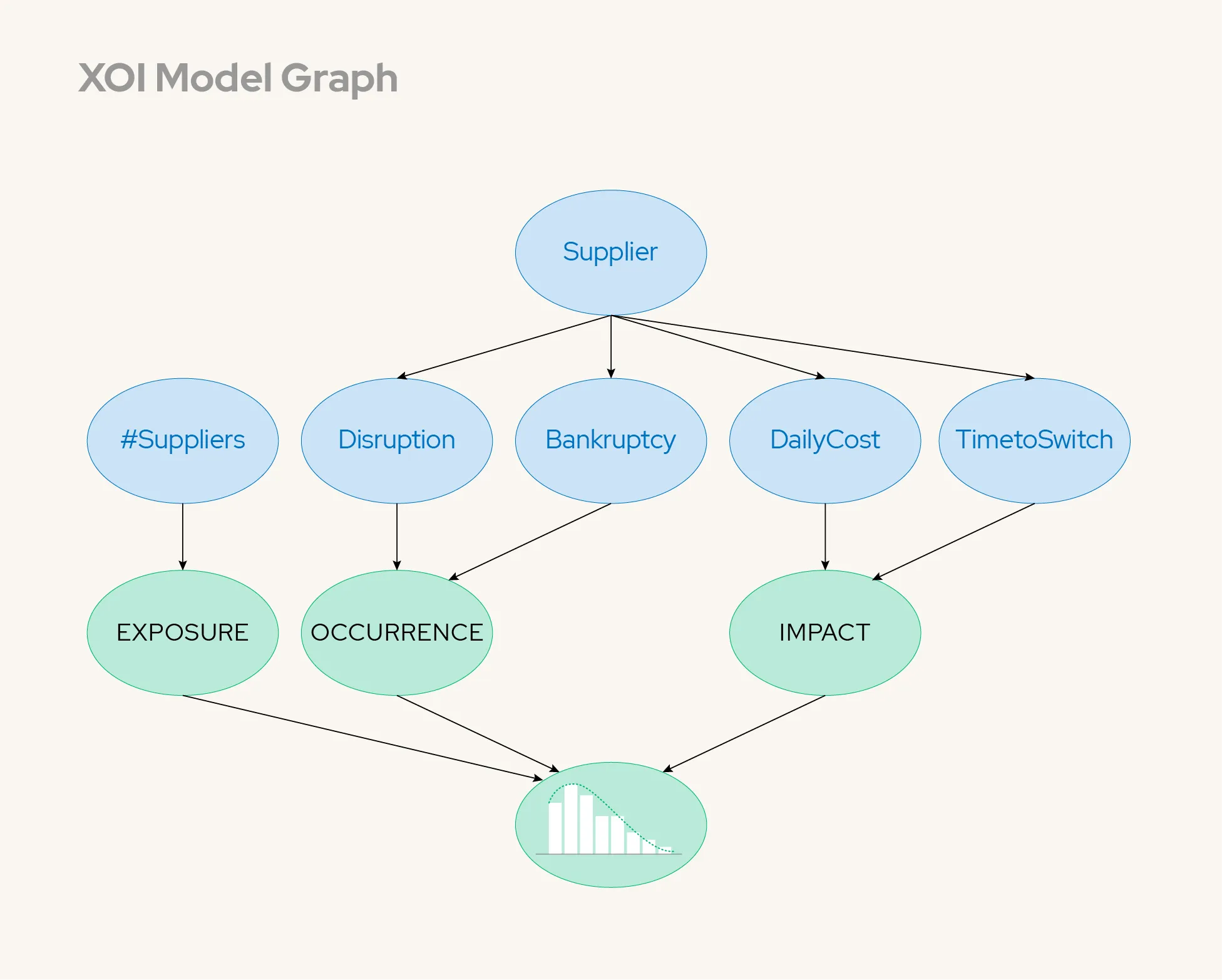
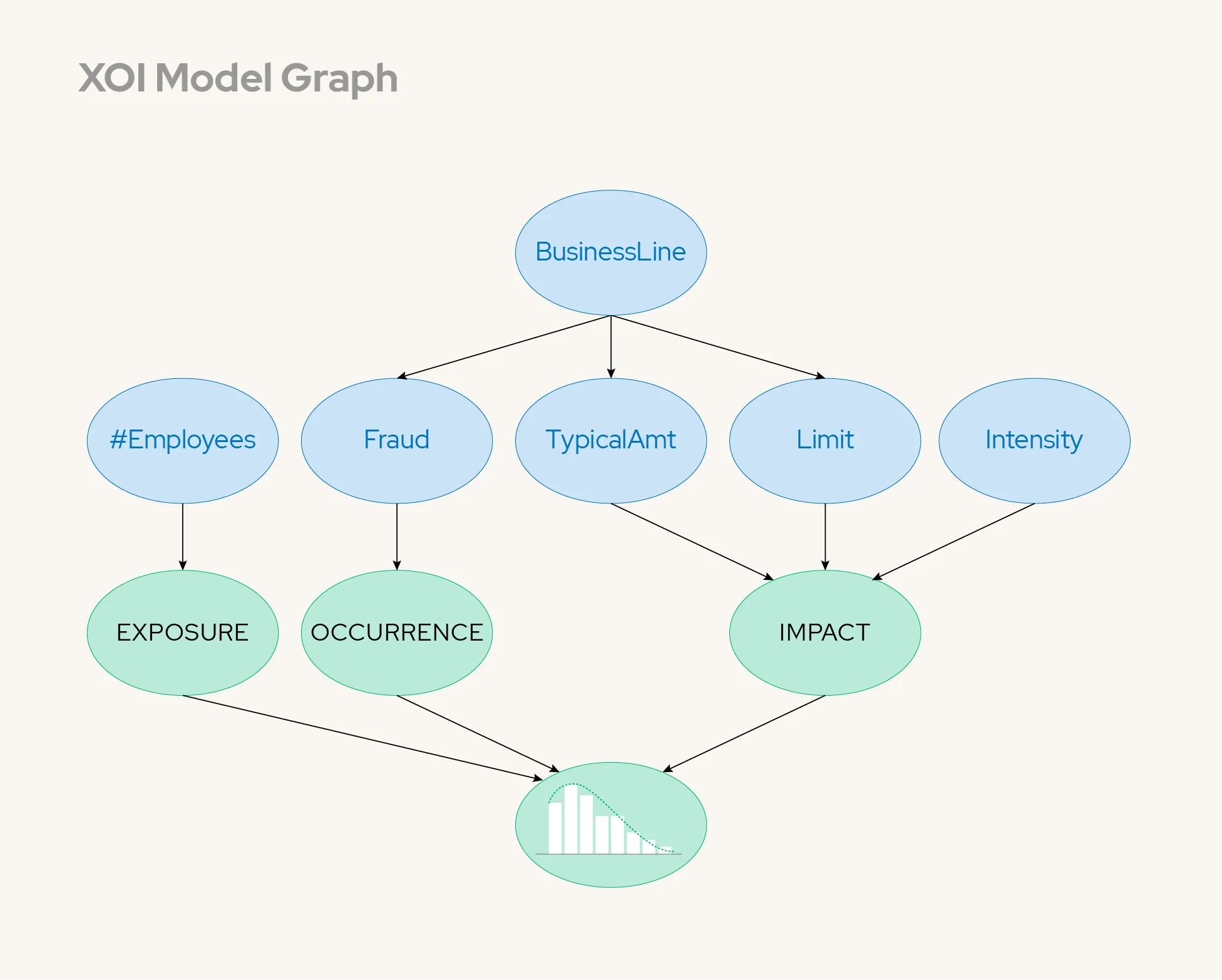
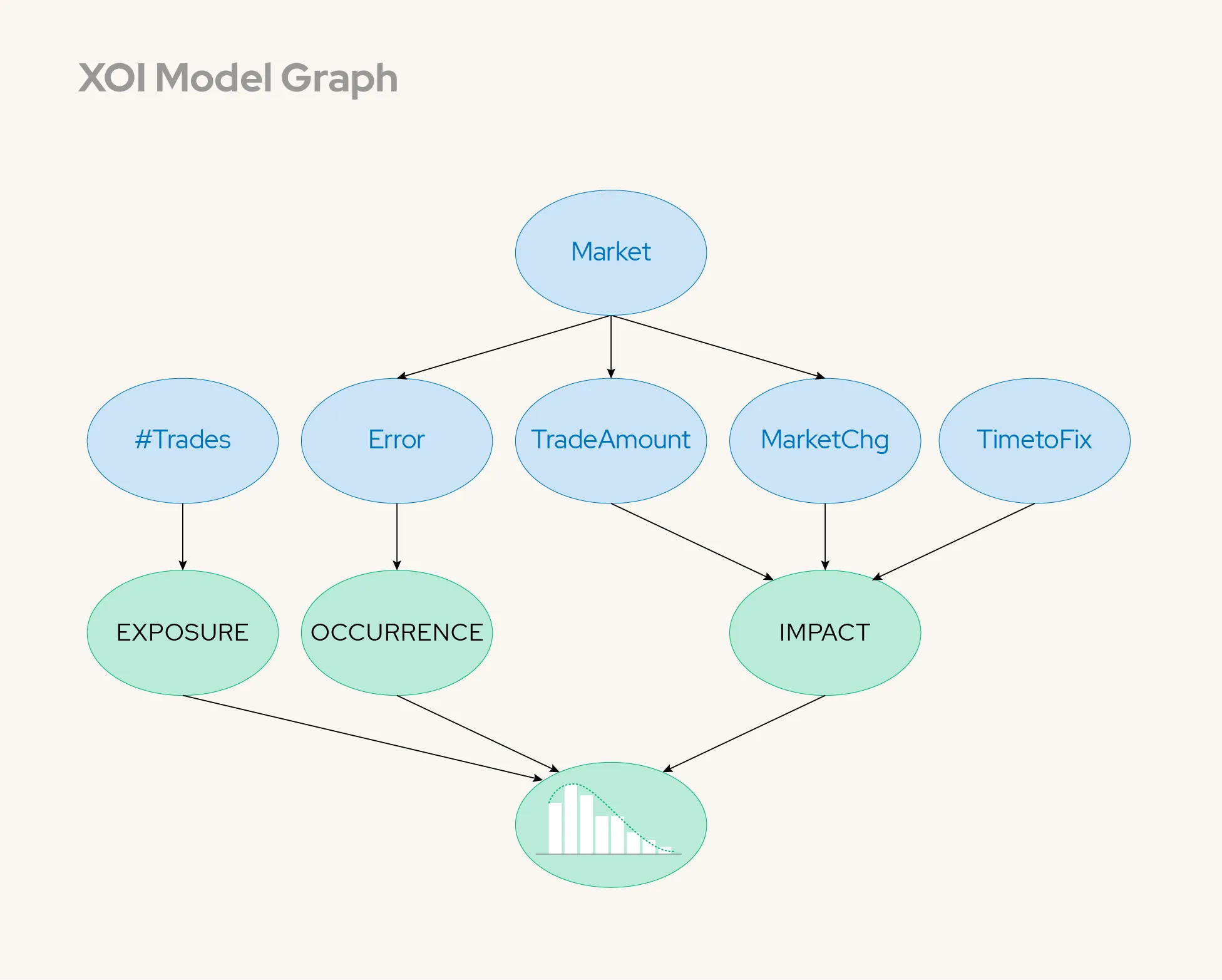
Exposure
The number of resources independently exposed to an event. Examples include employees for fraud, suppliers for disruption, trades for errors, and products for mis-selling.
Occurrence
The probability of an event occurring for a particular resource. This probability may depend on the resource itself, firm controls, and external circumstances.
Impact
The cost of the event if it occurs for one particular resource. This cost is variable and depends on the resource itself, firm controls, and external circumstances.
Exposure × Occurrence × Impact
The full distribution of potential losses is computed via Monte Carlo simulation over X, O and I
Examples of XOI decomposition
Use Cases
Solutions for every business
or regulatory challenge
Regulatory or Economic Capital
Assess capital exposure for major operational risks via structured XOI scenarios, approved in regulatory models across the UK, US and Europe.
Risk Appetite Allocation
Translate your firm's risk appetite into quantified scenario-level thresholds, linked directly to business units and control environments.
Stress Tests & CCAR
Design and execute rigorous stress tests for regulatory exercises, with direct integration into management reporting and risk appetite frameworks.
Insurance Optimisation
Tailor your insurance programmes to your risk profile: scenario mapping, deductible structuring, limits analysis and cost-benefit optimisation.
Trusted by Industry Experts
Trusted by Industry Experts
The XOI approach was a 'Eureka!' moment in my journey on operational risk. Coming from a market risk background, I had the impression that beyond the definition of operational risk, it was difficult to find a book that described a coherent framework for measuring and managing operational risk.
Olivier Vigneron
CRO EMEA, JPMorgan Chase & Co.
The XOI approach measures operational risk by identifying and quantifying key loss drivers in business terms, not risk management jargon. It can be used for risk appetite setting and monitoring. I strongly believe the XOI approach has the potential to become an industry standard
Emile Dunand
ORM Scenarios & Stress Testing, Credit Suisse.
The key benefits of the XOI method are to provide an approach to understand, manage and quantify risks and, at the same time, to provide a robust framework for capital modeling. Thanks to this method, we have been able to demonstrate the business benefits of operational risk management.
Michael Sicsic
Head of Supervision, FCA
The XOI methodology provides a structured, robust, forward-looking, and easy-to-understand approach for modeling operational risk scenarios. This book offers practical guidance on how risk managers, risk modellers, and scenario owners can collaborate to model operational risk scenarios consistently
Michael Furnish
Head of Model Governance and Operational Risk, Aviva.
The XOI method is the most comprehensive quantitative and analytical framework that I have encountered for the identification, assessment and management of Operational Risk. I have employed it for five years and found it both usable and effective. I recommend this book as essential reading for senior risk managers.
C.S. Venkatakrishnan
CRO, Barclays
Ready to Transform Your Approach to Operational Risk?
Our experts are available to assess your needs and provide a personalised demonstration of MSTAR.